
Materials and hallmark
All about the materials I use to make my jewellery, guides on how to care for it, and information from the Assay Office
Materials:
A softer precious metal with a snow-white colour.
If your silver starts to tarnish, don't panic, it is a natural property of this material. In air or in contact with sweat, a thin layer of oxidation can form on silver.
It can easily be removed with a silver polishing cloth or a silver cleaner from a drugstore (do not use silver cleaner if your jewellery also contains stones, pearls etc., as the chemicals could damage them). You can also contact me and, by prior arrangement, I will clean your jewellery while you wait.
At first glance you cannot tell it apart from yellow or rose gold. A good clue is the price: silver is always cheaper. The gold plating is applied by electroplating in a 3-micron layer, so you need to expect it to wear off over time. On a ring the plating naturally wears off faster than on earrings, for example. If you want a permanent colour, I recommend investing in a gold ring. You will surely appreciate it over time.
Gold-plated silver can also tarnish over time. The best way to refresh it is with a silver cleaner from a drugstore; just don't use a polishing cloth, as it can also remove the plating. If the plating wears off, get in touch and I can renew it for a fee.
It has a distinctive black colour caused by silver sulphide. Silver naturally darkens in air, and with patinated jewellery this process is accelerated.
No cleaning is needed, as the black colour is intended for this jewellery. The only thing that can happen is that the black patina wears off. With Tord jewellery it usually happens that the surface wears down to silver while the black patina stays in the folds of the strands, so the piece becomes uniquely defined.
A material that looks very similar to gold-plated silver. The difference is the use of rhodium, a stable platinum-group metal. Its colour is darker than silver and closer to stainless steel. The plating is applied by electroplating in a thin 3-micron layer. Thanks to rhodium, the silver keeps a permanent colour and does not tarnish.
It is cleaned in the same way as gold-plated silver.
It contains 585 parts of pure gold and 415 parts of other alloys such as copper, silver and zinc.
Gold is a stable metal and does not need cleaning the way silver does. If you want the piece to shine, you can polish it with a cloth soaked in a cleaning solution. Dust and grease can be cleaned off nicely with washing-up liquid and an old toothbrush.
Its alloy contains 585 parts of pure gold and 415 parts of silver or palladium.
White gold has a matte surface (for example on twisted rings) and a slightly yellowish colour (so-called champagne).
It is cleaned in the same way as yellow gold.
You can recognise 14-carat white gold electroplated with the stable platinum-group metal rhodium by its metallic, steel-like shine.
This option has the same shade as rhodium-plated silver. Inside, however, it is 14-carat gold (Au 585/1000), and the surface has a cool metallic colour rather than champagne. If the plating wears off over time, I will be happy to renew it for a fee.
It is cleaned in the same way as yellow gold.
Its colour is pink like copper. 14-carat (Au 585/1000) gold contains 585 parts of pure gold and 415 parts of alloys in which copper outweighs silver.
It is cleaned in the same way as yellow gold.
How to care for your jewellery?
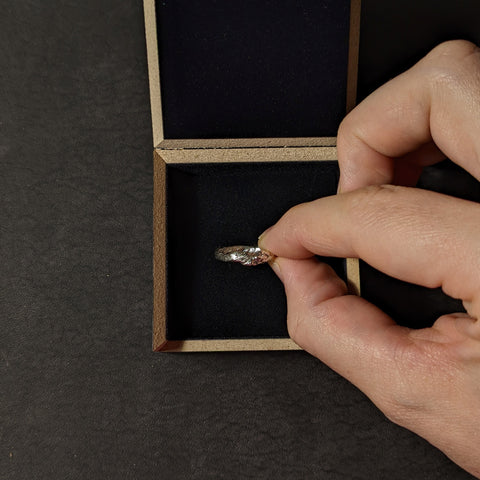
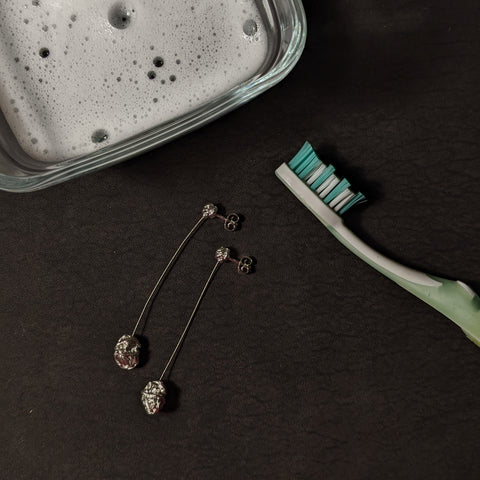
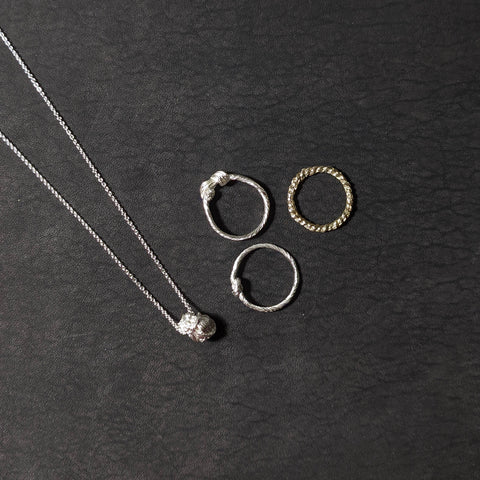
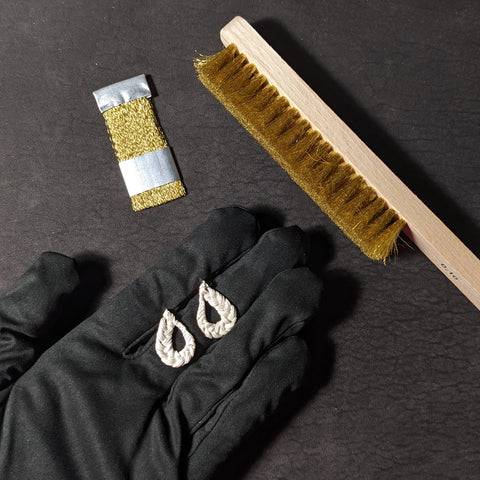
If something unfortunate has happened to your jewellery, write to me and we will surely sort it out.
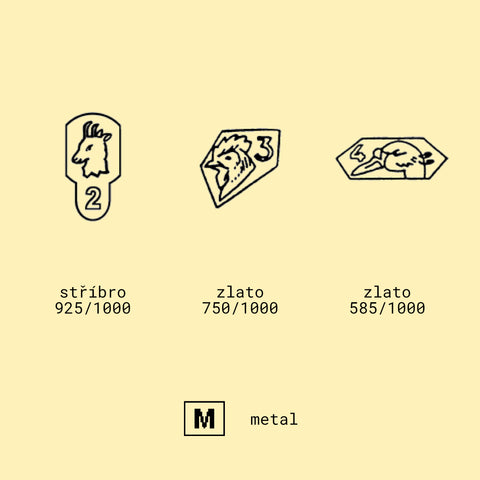
Hallmarks and fineness
All precious metal jewellery is properly hallmarked in accordance with the Hallmarking Act of the Czech Republic.
On the jewellery you will find the HP maker's mark, which shows that the piece was made in my workshop. Next is the fineness mark showing the fineness of the material. And finally there is usually the hallmark of the Assay Office (silver jewellery under 3 grams does not need a hallmark).
The gold fineness is always Au 585/1000, which is 14-carat gold.
The silver fineness is always Ag 925/1000.
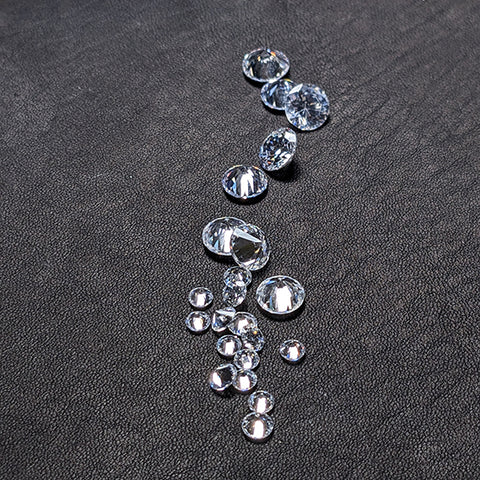
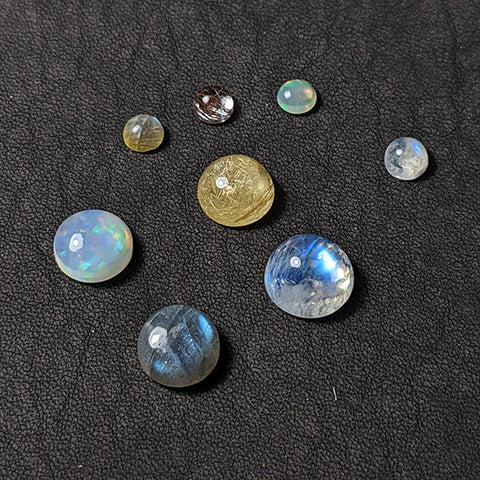
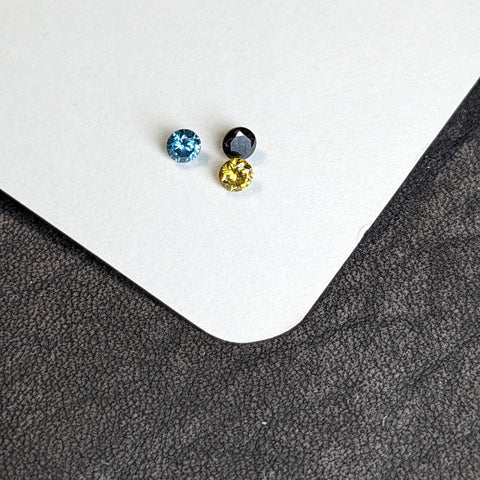
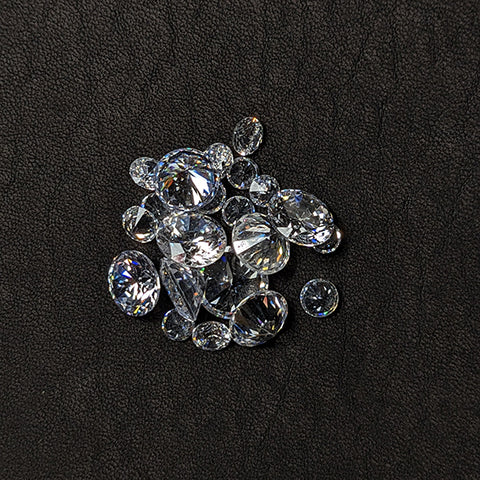
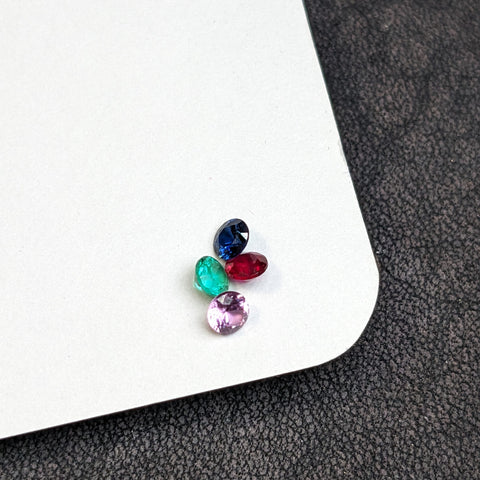
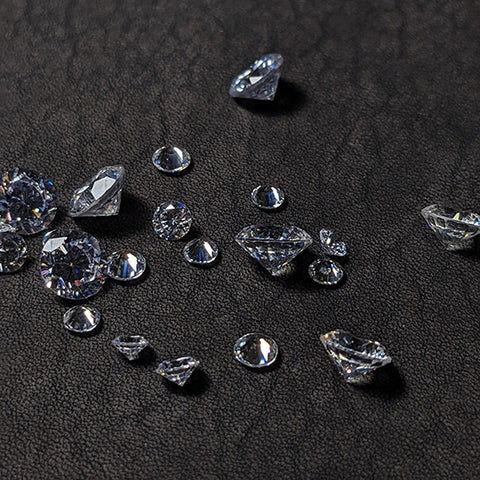
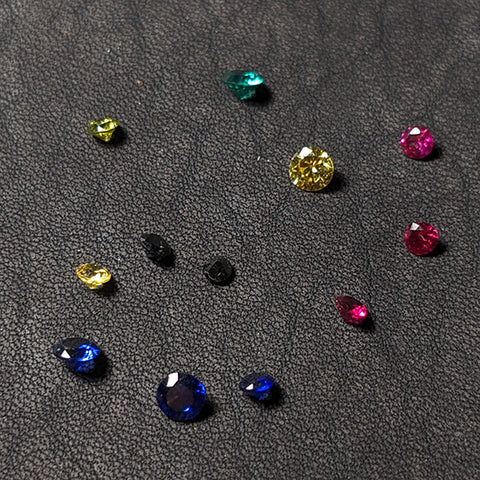
The stones I most often use in engagement rings come in two types of cut. The first is the brilliant cut, which reflects light best and is perfect for a noble transparent stone. The second type is the cabochon.
Your own gold
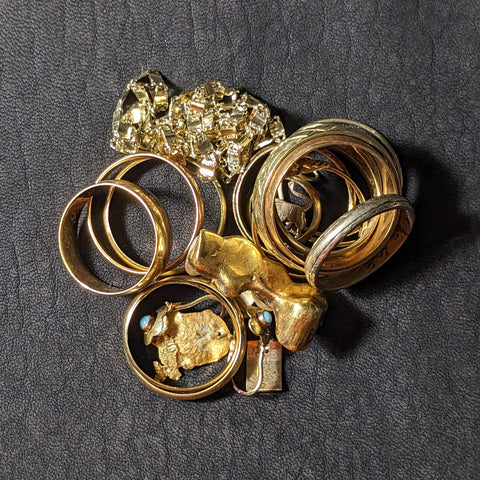
If you have your own gold that you would like to give a new life, feel free to bring it to me. The price of the new piece will be reduced by the value of the material, depending on the amount of gold supplied and its fineness. It can be jewellery, gold teeth, coins, gold bars and other forms. Its colour does not matter. Most gold supplied is analysed, which takes 1-2 weeks and tells us the weight and fineness of your gold.
For technical reasons, however, your gold cannot be used directly in the new piece. When a new piece is cast, several pieces are made at once, so a larger amount of gold of the same fineness is used.